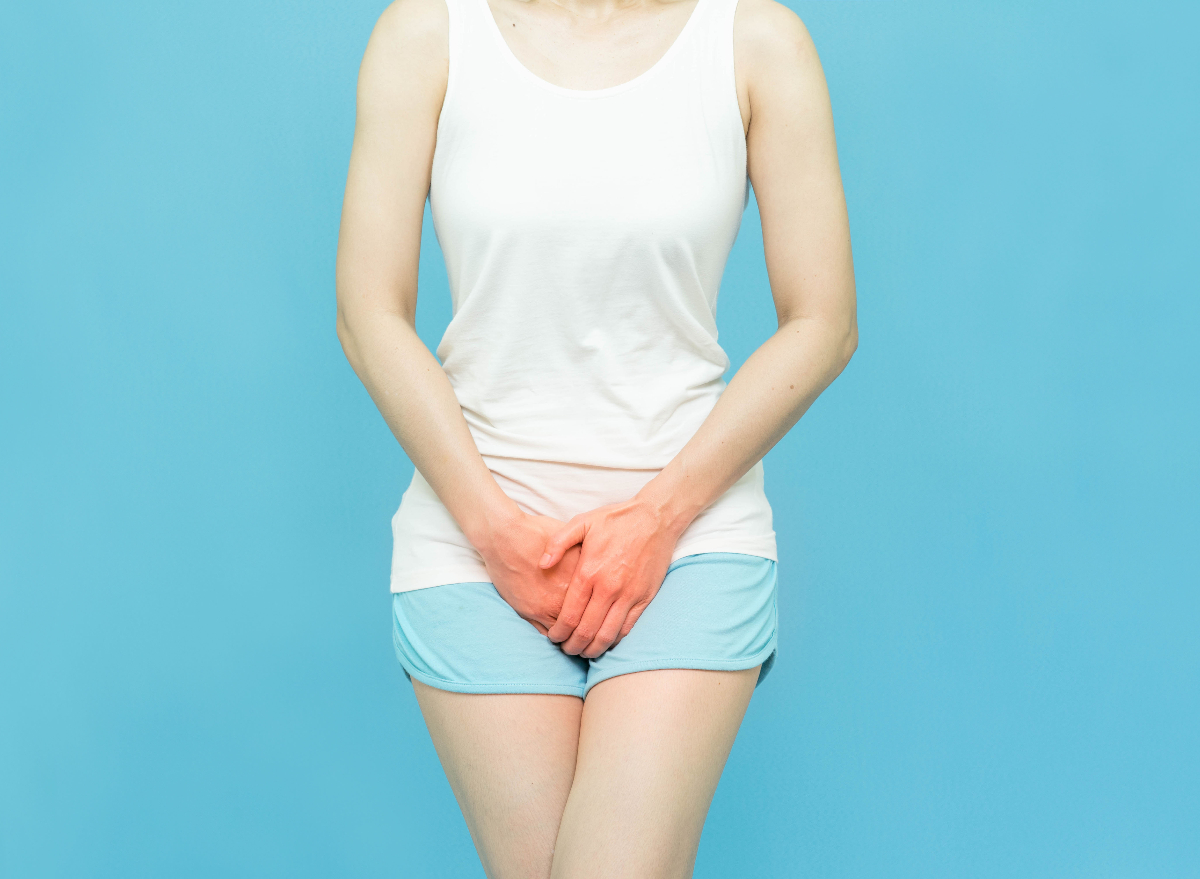
Hormone Changes And Urological Health
The findings of this organized review highlight the complexity and variability of UI amongst postmenopausal ladies. The frequency of UI among post-menopausal ladies varied from 13.6% [11] to 84.4% [15], with an overall frequency of 5394 (63.1%). Robinson and Cardozo reported that the most regular concern throughout menopause is UI, which affects 50% of postmenopausal females [21] Tension urinary incontinence makes up Giggle incontinence the most common sort of urinary incontinence.
For example, you could just leak a few declines of pee when you laugh, workout, coughing, or get heavy items. Or you might experience an unexpected urge to urinate and be unable to keep it in before getting to the toilet, causing a crash. While urinary incontinence can impact people of every ages, it's especially usual in women due to variables like pregnancy, giving birth, menopause, aging, and hormonal modifications.

Your body's layout is normal, but the signals and coordination aren't working the way they should. Urinary system leak that happens because of an unexpected, solid impulse to pass urine that you can not manage. It normally takes place as a result of modifications in nerve signals, creating bladder muscle mass to involuntarily acquire at the wrong time. There have been many breakthroughs in the therapy options for urinary incontinence, and you're bound to find something that helps you.
Incontinence can take place when the bladder muscle mass suddenly tighten and the sphincter muscles are not strong enough to squeeze the urethra closed. This creates an abrupt, solid urge to pee that you may not have the ability to manage. Stress brought on by giggling, sneezing, or exercising can create you to leak pee.- Our material is created with the support of qualified specialists and based upon well-established research from trusted medical and scientific organizations.Please call 911 or most likely to the local emergency clinic if you are experiencing a medical emergency situation.At Noom, we're committed to giving health and wellness info that's grounded in dependable scientific research and professional evaluation.While this problem is unusual, impacting just around 0.5% of individuals, females over the age of 50, specifically those that have had several pregnancies, are probably to ...Some studies likewise had small example sizes or were restricted by geographic or social aspects, which can impact generalizability.
Women Can Experience Various Types Of Incontinence As Their Body Experiences Modification:
Browsing through menopausal signs and symptoms can feel overwhelming, specifically when it seems like obstacles stand in the method of getting the treatment you require. A 2024 pelvic wellness research study evaluated 612 ladies ages and took a look at the occurrence of pelvic health and wellness symptoms and the spaces in the care they seek and get. Menopause notes a considerable change in a female's life, with its selection of symptoms usually resulting in inquiries regarding their origin. Amongst these signs, urinary system incontinence can be specifically aggravating, leaving ladies to question if menopause causes urinary system incontinence. Allow's look into the connection in between menopause and urinary incontinence, debunking myths and using functional options for handling and minimizing your signs and symptoms.
Issues with urinary feature-- such as urinary incontinence and infections-- are commonly accepted as a demanding, inevitable reality of aging, however they do not need to be. There are lots of therapy options available at WWMG that can aid you get back to living your life without these unpleasant, embarrassing, difficult, and in some cases unpleasant conditions. If you're experiencing or have undergone menopause, you might see huge changes in your vaginal and urinary system system feature. From uneasy sex, to genital dry skin, a change in libido, urinary system incontinence, and vaginal infections, it can be challenging to know what is (and isn't) a typical part of aging.The Connection In Between Urinary System Incontinence And Uti
Amongst postmenopausal females, UI is still a typical and complex issue that has a considerable unfavorable impact on well-being and life quality. There is no doubt that menopause, aging, and UI belong, however there is still much to learn more about the underlying reasons and useful treatment alternatives. The quality of take care of postmenopausal women with UI can be enhanced by systematizing diagnostic procedures, highlighting non-hormonal treatment, and attending to socioeconomic and lifestyle factors. These and various other campaigns will certainly be dealt with in future research study and medical technique. Hormones play a crucial role in keeping bladder control and total urinary health. Specifically, estrogen and progesterone help sustain the bladder, urethra, pelvic flooring muscles, and bordering tissues that work together to regulate peeing.These medications are frequently used when way of life adjustments and bladder training alone are not nearly enough to regulate symptoms. Urinary system incontinence can be affected by hormonal agents, muscle tone, diet plan, and general wellness. While hormonal agent therapy may assist some individuals, specifically postmenopausal women, others may benefit extra from supplements, targeted exercises, or a blend of therapies. Dealing with a pelvic flooring specialist can help you discover exactly how to properly engage the muscular tissues that sustain your bladder. In a similar way, kegel workouts-- squeezing and unwinding the pelvic muscle mass-- can be done in your home and are one of the most efficient means to reduce leakages in time. Big researches reveal that urinary system incontinence becomes more typical with age, rising from concerning 28% of ladies in their 30s to over 55% in their 80s and 90s.
Natural Treatments Include:
The research study creates consisted of 5 cross-sectional evaluations [11,15-17,19], 4 retrospective cohort research studies [10,13,18,20], one quasi-experimental examination [12], and one potential accomplice study [14] Geographically, two research studies were carried out in Australia [10,18], two in the USA [13,16], and one each in India [11], Egypt [12], Thailand [14], Spain [15], Japan [17], China [19], and Belgium [20] You may need to continue doing Kegel exercises for the remainder of your life. Even if your signs and symptoms boost, urinary system incontinence can return if you stop doing the exercises. Any type of weakness or damage to the urethra in a lady is more probable to create urinary system incontinence. This is due to the fact that there is less muscle maintaining the urine in until you are ready to urinate.